

 By
By 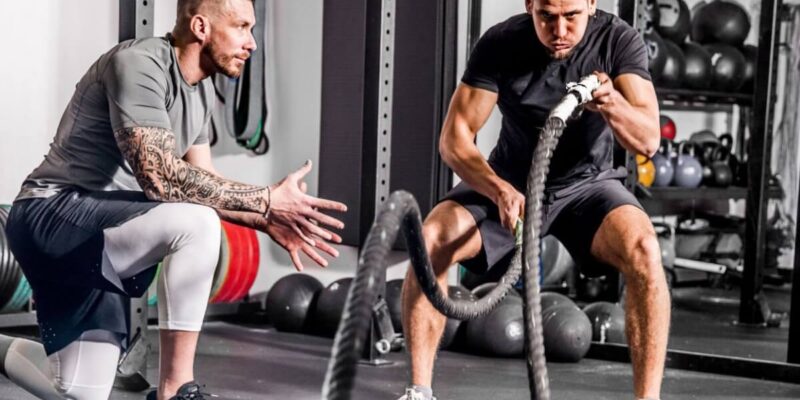
The New Era of Personal Training: Flexibility Meets Consistency
Modern life is hectic. In Singapore, where work hours are long, travel is frequent, and schedules unpredictable, even the most motivated individuals find it hard to stick to fixed gym routines. That’s why many are embracing a hybrid personal training model — one that blends in-gym sessions with virtual coaching to deliver both structure and flexibility.
With a personal training gym Singapore offering this hybrid model, clients no longer need to choose between consistency and convenience. They get the best of both worlds: expert guidance in person and continued support remotely, all tailored to their lifestyle and fitness goals.
What Is Hybrid Personal Training?
Hybrid personal training is a flexible coaching format that combines:
-
In-gym training sessions with a professional trainer
-
Virtual or remote training support, often delivered through apps, videos, or live calls
Clients meet with their trainer in person (e.g. once or twice a week) while receiving workout plans, nutritional feedback, check-ins, and accountability between those sessions — all remotely.
This model is especially popular in Singapore due to its ability to adapt to the local urban lifestyle, where travel, work events, or even family obligations can interfere with regular gym attendance.
Why Singaporeans Are Choosing Hybrid Training
Singapore’s working professionals, expats, and even parents are choosing hybrid personal training for multiple reasons:
1. Greater Flexibility
Train at the gym when possible, and continue workouts at home, in a hotel room, or during work travel — without losing momentum.
2. Consistent Accountability
Your trainer remains connected through messaging, calls, or app-based progress tracking, keeping you on track even when life gets busy.
3. Cost-Effective Options
Hybrid models often cost less than full-time in-gym training since some sessions are self-directed with expert guidance provided virtually.
4. Personalisation Across All Settings
Programmes are tailored to suit the equipment you have access to, whether it’s a full gym, a home setup, or bodyweight-only scenarios.
How Hybrid Training Works in Practice
At a facility like TFX Singapore, hybrid training is designed to maintain quality coaching without compromising client convenience. Here’s how a typical week may look for a hybrid client:
-
Monday: In-gym session focusing on heavy lifts and technique correction
-
Wednesday: Virtual HIIT session sent via video with form guidelines
-
Friday: Outdoor run tracked with a smartwatch, feedback provided by trainer
-
Sunday: Nutrition and habit check-in via WhatsApp voice note
Everything is synchronised — no guesswork, no one-size-fits-all plan. Your trainer remains in your corner whether you’re physically at the gym or not.
Technology Behind Hybrid Coaching
Tech integration is what makes hybrid training possible. Clients and trainers in Singapore use:
-
Training apps (like Trainerize or TrueCoach) to view customised plans
-
Google Sheets or shared trackers for progress and habit logging
-
WhatsApp or Telegram for direct communication, motivation, or quick fixes
-
Video recordings for clients to send form checks
-
Fitness wearables (like Fitbit or Garmin) to monitor recovery, steps, or sleep
With these tools, trainers can see how their clients are progressing and adjust programmes accordingly, even if they’re not physically present.
Who Is Hybrid Training Best Suited For?
While hybrid personal training is versatile, it’s especially ideal for:
-
Busy professionals who travel or work unpredictable hours
-
Parents who can’t always leave home for gym sessions
-
Expats or international clients who want to train with a preferred coach remotely
-
Intermediate-level trainees who are confident with basic movements but need structure and accountability
Beginners can also benefit if they commit to consistent in-gym sessions at the start and transition gradually to more self-directed training.
Personalised Programme Design in a Hybrid Format
Even in a remote setting, hybrid coaching is not generic. Trainers create weekly or bi-weekly plans that reflect:
-
Your available equipment (e.g., resistance bands, dumbbells, gym machines)
-
Your current goals (e.g., strength, weight loss, flexibility)
-
Your physical limitations or injuries
-
Your lifestyle demands and schedule
Each workout is explained with reps, sets, rest intervals, and instructional videos if needed. Trainers also update the plan based on your feedback or physical response week to week.
Coaching Beyond Workouts: Lifestyle Habits and Nutrition
The hybrid model allows for continuous coaching beyond the gym floor. Trainers use virtual touchpoints to support:
-
Meal planning or food photo feedback
-
Sleep hygiene and hydration habits
-
Stress management techniques like breathwork or stretching
-
Habit tracking (e.g., 8,000 steps per day or avoiding sugary drinks)
This lifestyle-based approach transforms personal training into a holistic wellness service, not just a fitness routine.
Progress Tracking and Results in Real-Time
Results don’t come from intensity alone — they come from consistency and tracking. In a hybrid model, trainers monitor your:
-
Weekly check-ins and self-reported progress
-
Workout completion rate
-
Performance improvements (e.g., push-up counts, weight lifted)
-
Body measurements or body fat percentage changes (if tracked)
-
Adherence to habits like water intake or daily movement
Regular feedback loops keep clients engaged and give trainers the data needed to refine plans, boosting long-term results.
Frequently Asked Questions (FAQ)
Q. I travel a lot for work. Can I still make progress with hybrid training?
A. Yes. Hybrid training is ideal for frequent travellers. Your trainer can send bodyweight workouts, resistance band routines, or hotel gym plans to keep you consistent, wherever you are.
Q. Will I still get personal attention in a hybrid model?
A. Absolutely. Trainers check in regularly, adjust your plans based on feedback, and may even review your workout videos to correct form. The level of personalisation remains high.
Q. What if I don’t have any gym equipment at home?
A. No problem. Trainers will design effective bodyweight workouts using techniques like tempo, volume, and circuit style to challenge you without equipment.
Q. Can beginners do hybrid personal training?
A. Yes, with some initial in-gym sessions to learn movement basics. Once you’re confident with technique, you can transition more into hybrid support without losing effectiveness.
Q. Is it more affordable than traditional personal training?
A. Often, yes. Since you’re combining in-person sessions with remote ones, hybrid training offers flexibility at a more accessible price point while still delivering professional guidance.







Comments