

 By
By 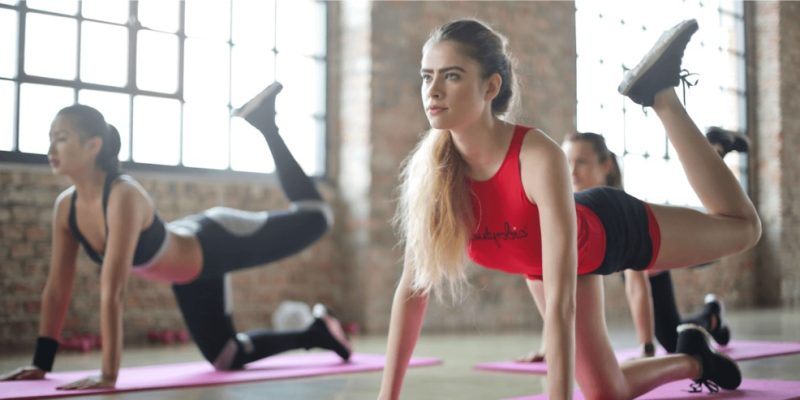
In Singapore’s competitive business world, corporate wellness has evolved from being a nice-to-have perk into a strategic investment. Companies now understand that a healthy workforce drives higher productivity, lower absenteeism, and stronger morale. This shift has led to a growing demand for fitness classes Singapore tailored specifically for professionals. From morning HIIT sessions to lunchtime yoga and virtual wellness challenges, businesses are integrating fitness into their work culture as a key part of leadership and organisational success.
The Evolution of Corporate Wellness in Singapore
Corporate wellness used to mean subsidised gym memberships or annual health screenings. But modern Singaporean companies now see that true wellness extends far beyond these basics. Employees don’t just need access to fitness facilities—they need guidance, motivation, and community support to sustain active habits.
With the rise of remote and hybrid work, businesses are now blending technology and fitness experiences to keep teams connected, motivated, and energised. Group fitness classes, whether in-person or online, create a shared experience that improves both physical health and workplace relationships.
Why Fitness Is Becoming a Business Priority
Healthy employees perform better, think clearer, and manage stress more effectively. Studies show that regular exercise enhances focus, memory, and creativity—skills essential for problem-solving and leadership.
In Singapore, where workdays can be long and mentally demanding, fitness classes provide an outlet for stress while improving stamina. Forward-thinking employers recognise that investing in employee health ultimately boosts the company’s bottom line through:
-
Reduced medical claims and absenteeism
-
Higher employee engagement and retention
-
Improved productivity and creativity
-
Stronger company culture and teamwork
Fitness has become not just a wellness initiative but a corporate advantage.
The Science Behind Workplace Fitness
Physical activity stimulates the production of endorphins, serotonin, and dopamine—the body’s natural “feel-good” chemicals. These neurochemicals help combat fatigue, improve concentration, and maintain a balanced mood. Additionally, exercise promotes better blood flow to the brain, sharpening cognitive functions critical for decision-making.
Consistent participation in fitness programmes also reduces the long-term risks of lifestyle diseases such as diabetes and hypertension, which are increasingly common among sedentary professionals. For companies, this translates to healthier, more resilient employees who bring their best selves to work every day.
Tailoring Fitness Classes for Professionals
Corporate fitness classes in Singapore are uniquely designed to accommodate busy schedules and diverse fitness levels. Trainers structure sessions around short, effective workouts that can be completed during breaks or after work hours. These sessions typically focus on:
-
Mobility and Posture: Correcting desk-related stiffness and back pain.
-
Strength and Conditioning: Building core and functional strength for daily activities.
-
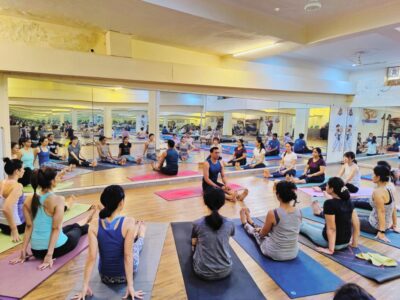
Mindful Movement: Incorporating yoga and stretching to manage stress.
-
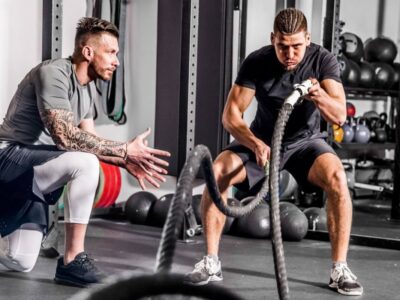
Cardio Bursts: Increasing energy levels through efficient high-intensity sessions.
Many companies also collaborate with gyms or wellness providers to conduct on-site classes, making it convenient for employees to participate without disrupting their schedules.
True Fitness Singapore’s Role in Corporate Wellness
As one of the leading fitness destinations in the country, True Fitness Singapore has become a trusted partner for corporate wellness programmes. By offering customised group sessions, health workshops, and digital fitness support, it enables companies to create wellness plans that align with their culture and goals.
Through data tracking, personalised coaching, and variety in class types, True Fitness ensures every employee—from executives to new hires—finds a suitable and enjoyable way to stay active.
The Rise of Hybrid and Virtual Fitness Classes
The pandemic accelerated the trend of virtual fitness in Singapore’s corporate sector. Companies that once relied on in-person sessions have now adopted hybrid models combining physical classes with online options. Employees working from home can join live-streamed workouts, participate in wellness challenges, and engage in team-based fitness competitions that foster connection despite physical distance.
This flexibility has increased participation rates significantly, showing that convenience is key to maintaining consistent fitness habits among professionals.
Fitness as a Tool for Leadership and Team Building
Group fitness classes are not just about exercise—they also build leadership and trust. Shared challenges during workouts promote collaboration and empathy among team members. When managers join the same classes as their teams, it breaks down hierarchy barriers and strengthens communication.
Fitness-based team-building activities, such as charity runs or fitness challenges, cultivate unity and a shared sense of purpose within the workplace.
The Link Between Fitness and Mental Performance
Corporate fitness programmes in Singapore are also addressing mental wellbeing head-on. Regular movement helps regulate cortisol levels, the hormone responsible for stress. In a high-pressure corporate setting, where burnout and anxiety are common, integrating mindfulness or recovery sessions within fitness programmes provides a critical mental health buffer.
Many companies now include guided stretching and breathing classes to help employees decompress during the workday. These sessions improve mood, focus, and overall satisfaction—key elements for long-term career success.
Overcoming Common Challenges
Despite the benefits, implementing corporate fitness programmes can face obstacles such as low participation, time constraints, or lack of management support. The most successful companies overcome these issues by:
-
Scheduling sessions during work hours rather than after-hours
-
Providing incentives and rewards for consistent participation
-
Encouraging management to lead by example
-
Offering a variety of class formats (virtual, short, intensive, or relaxing)
When employees see their leaders prioritising fitness, participation rates and enthusiasm rise dramatically.
Data and Technology in Corporate Fitness
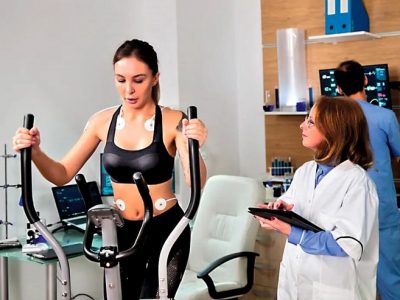
Singapore’s technology-driven environment has made it easier for companies to track and evaluate wellness outcomes. Apps and dashboards allow HR teams to monitor participation rates, engagement levels, and overall progress without compromising privacy.
Wearable devices and fitness trackers also help employees visualise their progress, promoting accountability and motivation. By analysing this data, companies can continuously refine their programmes to ensure long-term engagement and effectiveness.
Creating a Culture of Wellness
Corporate fitness initiatives are most effective when they become part of the company’s culture rather than a temporary campaign. When employees view health as a shared value, it influences other aspects of work, from teamwork and communication to creativity and retention.
Wellness-driven companies often experience stronger brand loyalty and attract talent who prioritise balance and wellbeing. Over time, this creates a ripple effect—improving morale, reducing burnout, and elevating overall company reputation.
The Economic Impact of Corporate Fitness
The financial benefits of investing in employee fitness extend beyond reduced healthcare costs. Healthier employees are more productive, take fewer sick days, and demonstrate higher engagement at work. Research shows that every dollar spent on corporate wellness yields returns in the form of improved output and reduced medical expenses.
In Singapore, where the cost of healthcare and lost productivity can be significant, proactive investment in wellness programmes is proving to be a wise business decision.
The Future of Corporate Wellness in Singapore
As technology, neuroscience, and fitness science continue to merge, the next generation of corporate wellness will focus on personalisation. AI-driven fitness platforms, real-time stress analytics, and tailored recovery recommendations will become standard tools in employee wellness management.
Additionally, holistic wellness will take centre stage—combining physical fitness with nutrition, mindfulness, and work-life balance initiatives. Companies that embrace this integrated model will build resilient, motivated, and loyal teams capable of thriving in a demanding corporate environment.
FAQs
Q1: Why are fitness classes effective for corporate wellness programmes?
They combine physical activity with stress management, improving both productivity and mental wellbeing. Group classes also foster collaboration and morale within teams.
Q2: How can companies encourage employees to participate in fitness sessions?
Offering flexible class timings, recognition programmes, and management participation significantly increases engagement.
Q3: Can fitness classes be tailored for different fitness levels?
Yes. Trainers customise routines to accommodate beginners and advanced participants, ensuring everyone benefits without discomfort or risk of injury.
Q4: How does fitness impact work performance?
Regular exercise enhances focus, energy, and cognitive function. Employees who stay active handle pressure better and recover faster from stress.
Q5: What’s the future trend for corporate fitness in Singapore?
The future lies in hybrid and data-driven wellness programmes that personalise experiences through technology while maintaining a human connection.
As corporate culture in Singapore continues to evolve, fitness is emerging as a defining element of workplace excellence. By integrating wellness into business strategy, fitness classes Singapore are not just transforming bodies—they’re reshaping the way companies lead, collaborate, and succeed.








Comments