

 By
By 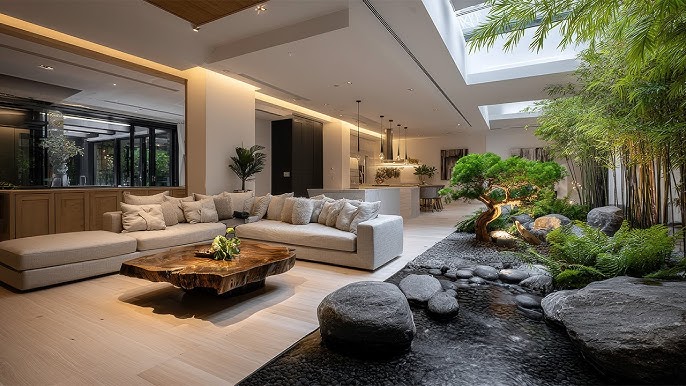
For centuries, architecture and interior design focused on creating barriers between humanity and the unpredictable elements of the wild. Modern luxury was often defined by sterile surfaces, sharp geometric lines, and synthetic materials that signaled a triumph over the natural world. However, a significant shift is occurring in the upper echelons of residential and commercial design. This movement, known as biophilic design, seeks to reconnect humans with nature by integrating organic elements, natural light, and living systems into the built environment. In high-end interiors, biophilia is no longer just a trend; it is a fundamental philosophy that prioritizes psychological well-being, physical health, and a deep sense of tranquility.
The term biophilia suggests an innate biological connection between humans and other living systems. As urban environments become more dense and digital lives more demanding, the craving for natural surroundings has intensified. High-end biophilic design goes beyond placing a few potted plants in a room. It involves a sophisticated orchestration of architectural features, material selection, and sensory experiences that mimic the complexity and beauty of the natural world.
The Core Principles of Biophilic Design
To execute biophilic design at a luxury level, designers adhere to three main categories of experience: nature in the space, nature of the space, and natural analogies.
Nature in the Space
This principle involves the direct, physical presence of nature. It includes features like living green walls, indoor water fountains, and floor-to-ceiling windows that provide views of lush gardens. The presence of water, in particular, provides a multi-sensory experience through its visual movement and the calming acoustic properties of a gentle flow. In high-end homes, this might manifest as a courtyard centered around a koi pond or an indoor-outdoor bathroom where the shower is surrounded by tropical ferns.
Nature of the Space
This refers to the spatial configurations found in nature. Humans naturally feel most comfortable in spaces that provide “prospect” and “refuge.” Prospect refers to wide, open views that allow one to survey their surroundings, similar to a vast savannah. Refuge refers to cozy, protected spaces that feel safe and enclosed. A luxury penthouse with expansive glass walls provides prospect, while a recessed reading nook with warm wood cladding provides the necessary refuge, creating a balanced and harmonious living environment.
Natural Analogies
When direct nature is not possible, designers use analogies. This involves using patterns, colors, and textures that evoke the natural world. It includes the use of fractal patterns found in seashells, the organic curves of a riverbed, or the use of materials like raw stone, reclaimed timber, and hand-woven textiles. These elements provide a “biomorphic” quality to the interior, making the space feel alive rather than static.
Enhancing Well-being Through Organic Elements
The primary driver behind the adoption of biophilic design in luxury real estate is its profound impact on human health. Research has consistently shown that environments rich in natural elements can lower heart rates, reduce blood pressure, and decrease cortisol levels, the primary stress hormone.
In a high-pressure world, the home is increasingly seen as a sanctuary for recovery. Natural light plays a crucial role in this process by regulating the circadian rhythm. High-end biophilic interiors often utilize advanced lighting systems that transition in color temperature throughout the day, mimicking the natural movement of the sun. This ensures that the body’s internal clock remains aligned with the outside world, leading to improved sleep quality and higher energy levels during the day.
Furthermore, the integration of greenery improves indoor air quality. Plants act as natural filters, removing volatile organic compounds and increasing oxygen levels. For the discerning homeowner, this functional benefit is integrated seamlessly with aesthetic luxury, such as a vertical garden that spans multiple floors, acting as both a biological air purifier and a stunning piece of living art.
Materiality and the Luxury of Texture
In high-end biophilic design, the choice of materials is paramount. There is a move away from highly polished, uniform surfaces toward materials that celebrate imperfection and the passage of time.
-
Raw Stone and Marble: Large-scale installations of unhoned marble or travertine bring the mountain’s edge into the home. The tactile sensation of cold stone underfoot or the rough texture of a feature wall provides a grounding effect.
-
Mass Timber and Reclaimed Wood: Wood is perhaps the most iconic biophilic material. Its grain patterns provide visual complexity that the human eye finds inherently pleasing. Using oversized timber beams or live-edge furniture connects the inhabitant to the history and strength of the forest.
-
Natural Fibers: High-quality wool, silk, linen, and jute are used for upholstery and floor coverings. These materials breathe and offer a softness that synthetic alternatives cannot replicate, enhancing the comfort and sensory depth of the room.
The Role of Water and Soundscapes
Sound is a frequently overlooked component of interior design, yet it is essential for a true biophilic experience. High-end interiors often incorporate “soundscapes” that mask the harsh noises of urban life—such as traffic or sirens—with the sounds of nature. This can be achieved through physical water features or integrated high-fidelity audio systems that play recorded sounds from specific ecosystems, like a rainforest or a coastal breeze.
The visual presence of water is equally important. Infinity-edge pools that seem to flow into the horizon, or small interior rills that travel through a living area, provide a sense of movement and life. The way light reflects off moving water creates “caustic patterns” on walls and ceilings, providing a dynamic visual element that changes with the time of day.
Integrating Technology and Biophilia
It may seem counterintuitive, but technology is often the backbone of successful biophilic design. Smart home systems are used to maintain the delicate balance required for indoor ecosystems to thrive.
Automated irrigation systems, hidden within the walls, ensure that vertical gardens receive the precise amount of nutrients and moisture. Advanced climate control systems manage humidity levels to benefit both the residents and the exotic plant life. Even the glass used in these structures is high-tech, often featuring coatings that allow the full spectrum of light required for photosynthesis while filtering out excess heat to maintain a comfortable interior temperature.
The Future of Biophilic Living
As we look toward the future, biophilic design is expected to become even more integrated into the structural DNA of luxury buildings. We are seeing the rise of “forest in the sky” skyscrapers and residential complexes where every balcony is a self-sustaining ecosystem.
The goal is to reach a point where the boundary between the “built” and the “grown” disappears. For the high-net-worth individual, this represents the ultimate luxury: a home that does not just house them, but actively contributes to their vitality, creativity, and peace of mind. By embracing the wild and incorporating it into the refined, biophilic design creates spaces that are as resilient and beautiful as nature itself.
Frequently Asked Questions
How does biophilic design differ from traditional sustainable or green design?
Sustainable design focuses on the environmental impact of a building, such as energy efficiency and carbon footprint. Biophilic design focuses specifically on the human experience within the environment and how the integration of nature improves the occupant’s health and happiness. While they often overlap, biophilic design is more about the psychological and physiological connection to nature.
Is biophilic design difficult to maintain in a residential setting?
While living walls and large indoor gardens require maintenance, modern technology has made it much easier. Automated systems for watering and lighting can handle the majority of the work. For those who prefer a lower-maintenance approach, biophilic design can be achieved through “non-living” elements like natural materials, organic shapes, and strategic views.
Can biophilic design be implemented in windowless rooms?
Yes. In spaces where natural light is unavailable, designers use “circadian lighting” that mimics the sun’s cycles. Additionally, high-definition digital screens can display moving natural landscapes, and the use of natural materials like wood and stone, along with natural scents and sounds, can still create a biophilic effect.
What are some common biophilic colors for a high-end interior?
The palette is usually derived from nature, but it goes beyond just green and brown. It includes “earth tones” like terracotta, sand, and clay, as well as “aquatic tones” like deep blues and teals. The key is to use colors that are found in local ecosystems to create a sense of place.
How does biophilia affect productivity in a home office?
Biophilic elements have been shown to increase focus and creativity. Natural light reduces eye strain, and the presence of plants can improve concentration. The “restorative” nature of biophilic design allows the brain to recover from “directed attention fatigue,” which is common during long work hours.
Are there specific plants that are better for luxury biophilic interiors?
In high-end design, the choice often depends on the aesthetic and the local climate. Large-leafed plants like the Fiddle Leaf Fig or Monstera are popular for their dramatic visual impact. For air purification, Snake Plants and Peace Lilies are excellent. In very high-end installations, rare or exotic orchids and ferns are often used to create a sense of exclusivity.
Does biophilic design increase the value of a property?
Yes, there is a growing body of evidence suggesting that homes with strong biophilic elements command higher prices. Buyers are increasingly prioritizing health and wellness, and a home that offers a built-in connection to nature is seen as a premium asset that supports a high quality of life.











Comments